Between 2023 and now, MUELLER-DIVJAK run numerous Learning Studios in South-East Asia, mainly in Bangkok and the historic coastal city Songkhla in southern Thailand (uniquely situated between the Gulf of Thailand and Songkhla Lake, one of the country’s largest lagoon ecosystems, and a complex brackish-water ecosystem supporting fisheries, biodiversity, wetlands, and local livelihoods; increasingly affected by coastal erosion, water pollution, declining fish populations, habitat loss, industrial development, and climate change.) The coexistence of sea, lake, urban life and an increasingly vibrant art scene, fishing communities, and fragile ecosystems made Songkhla a unique setting for systems-oriented research.
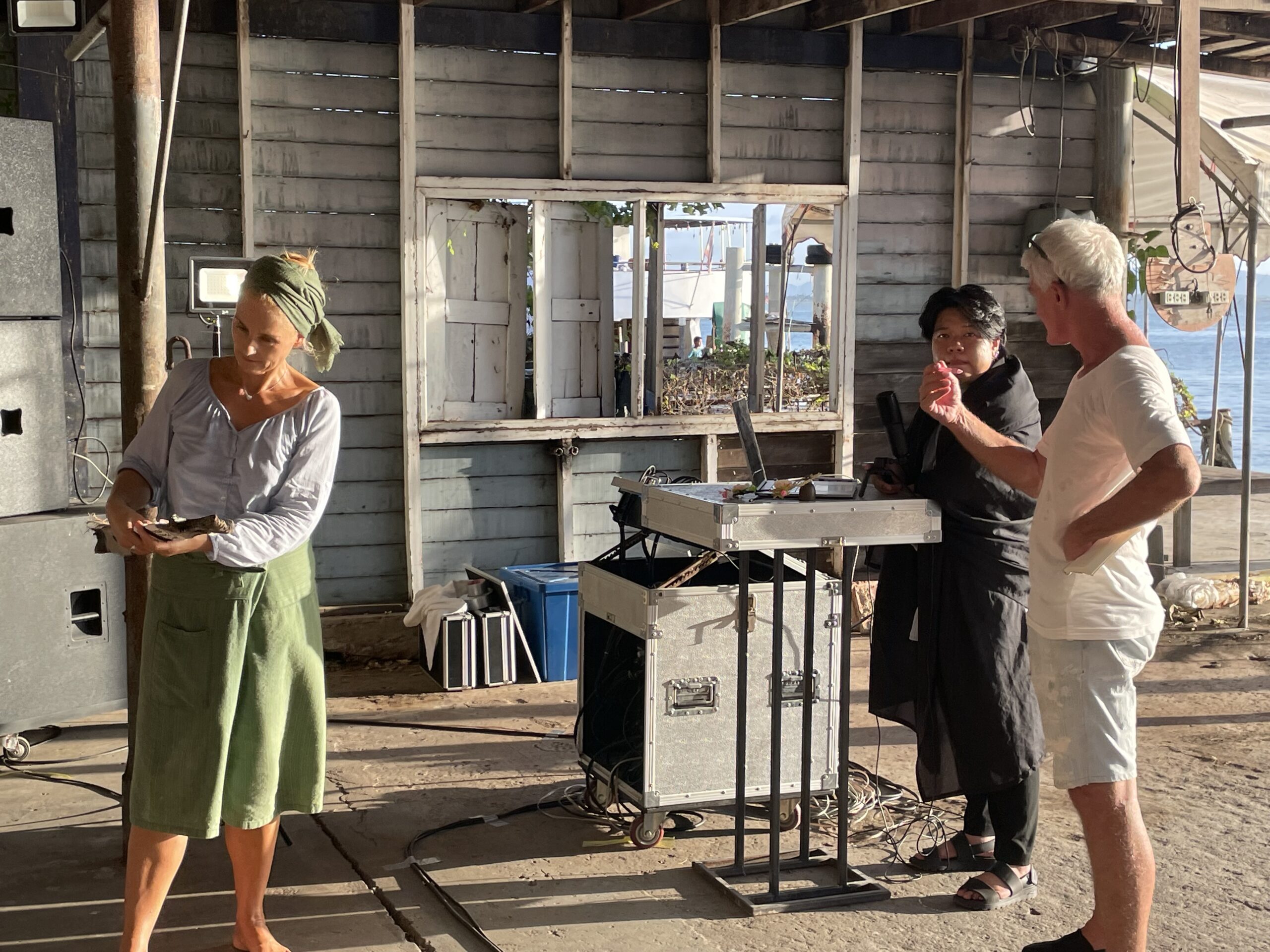
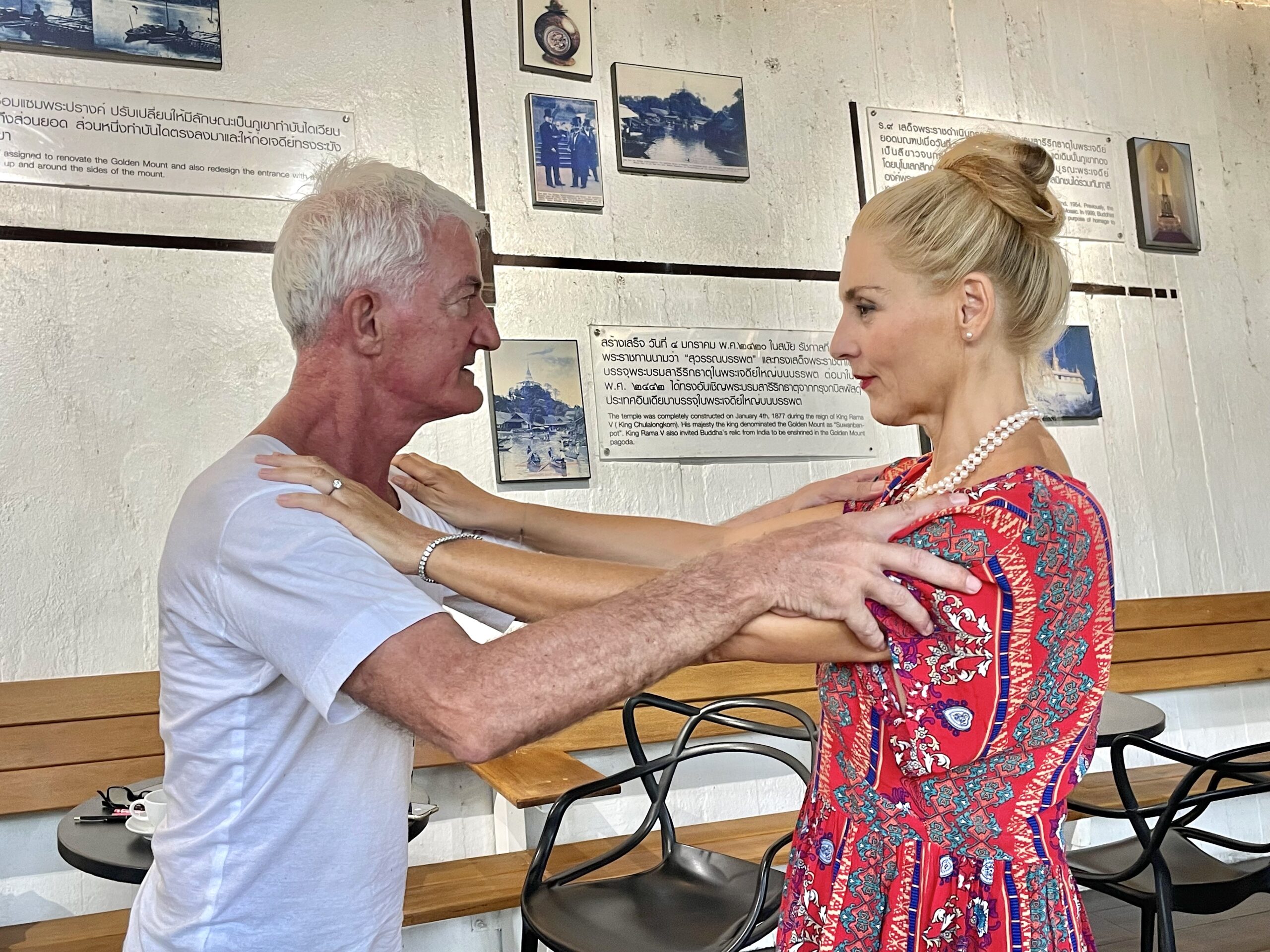
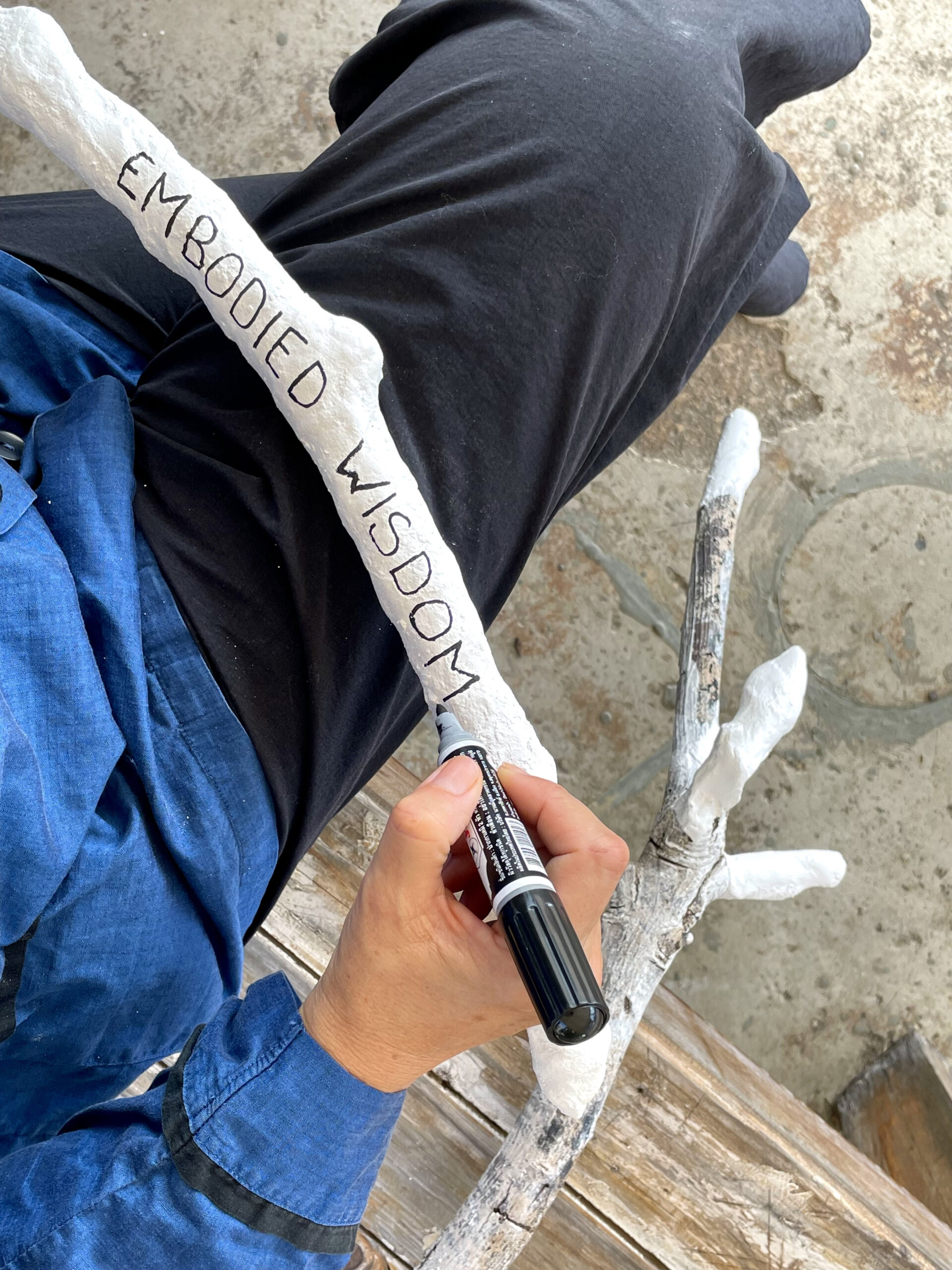
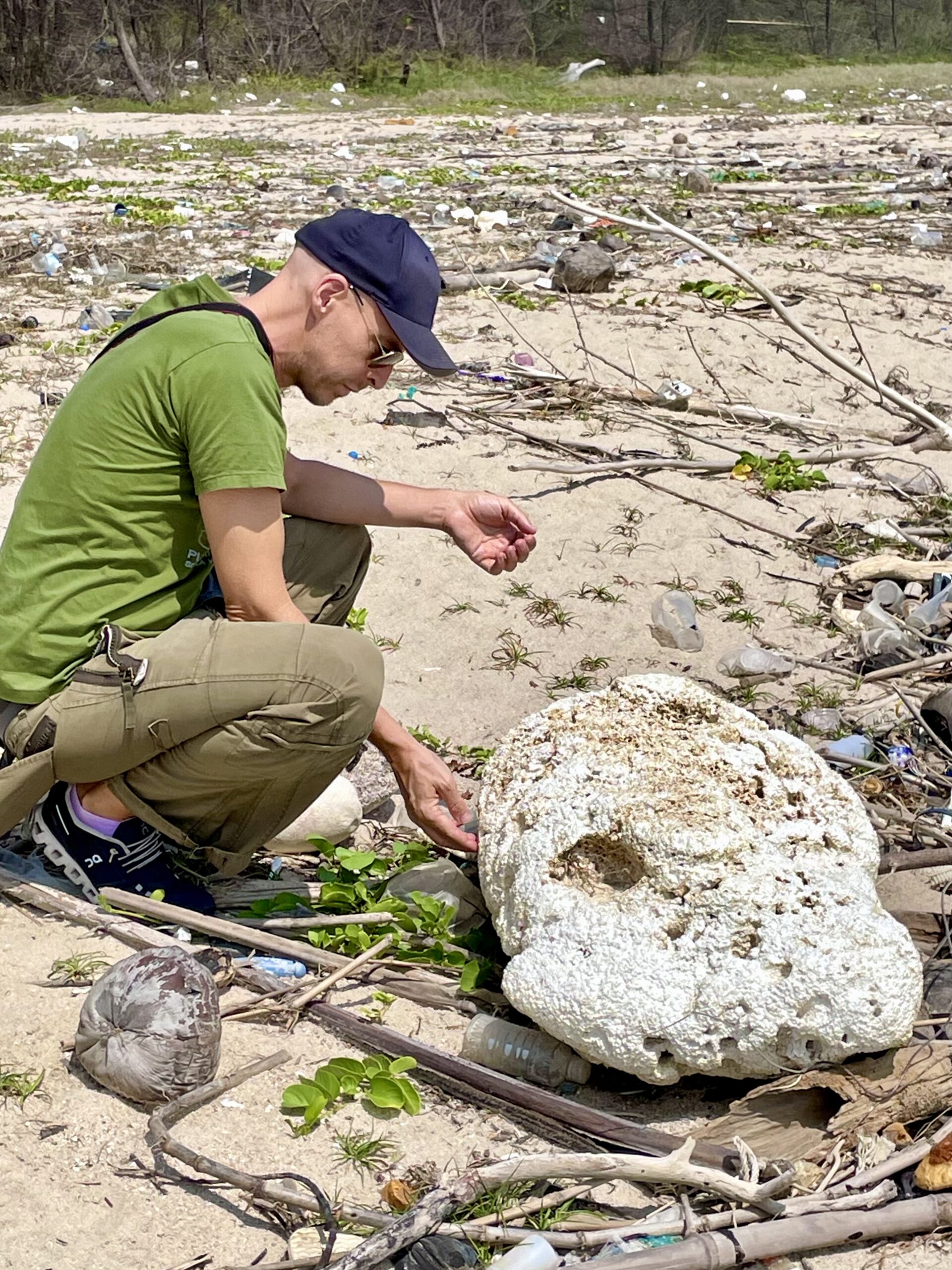
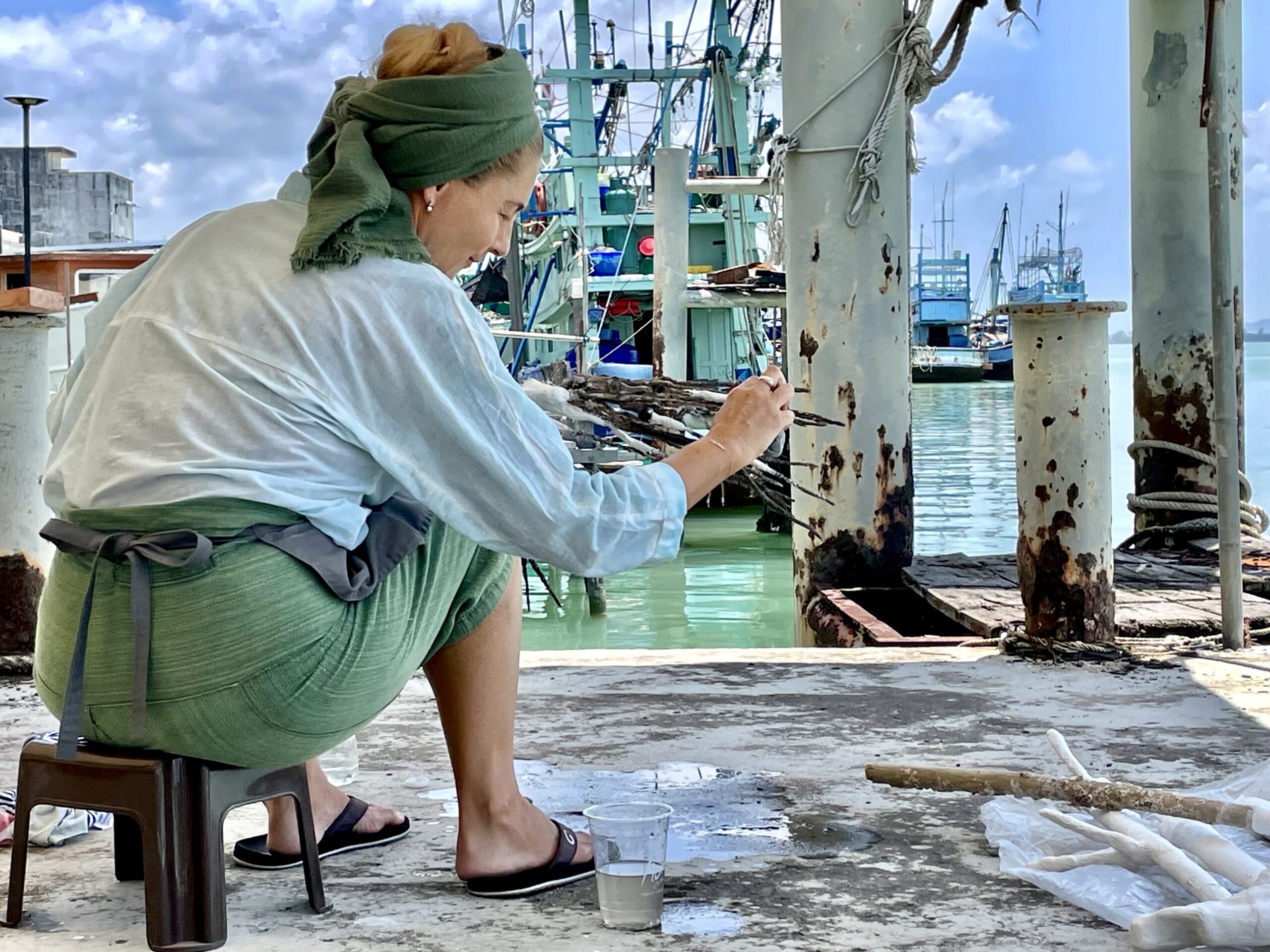
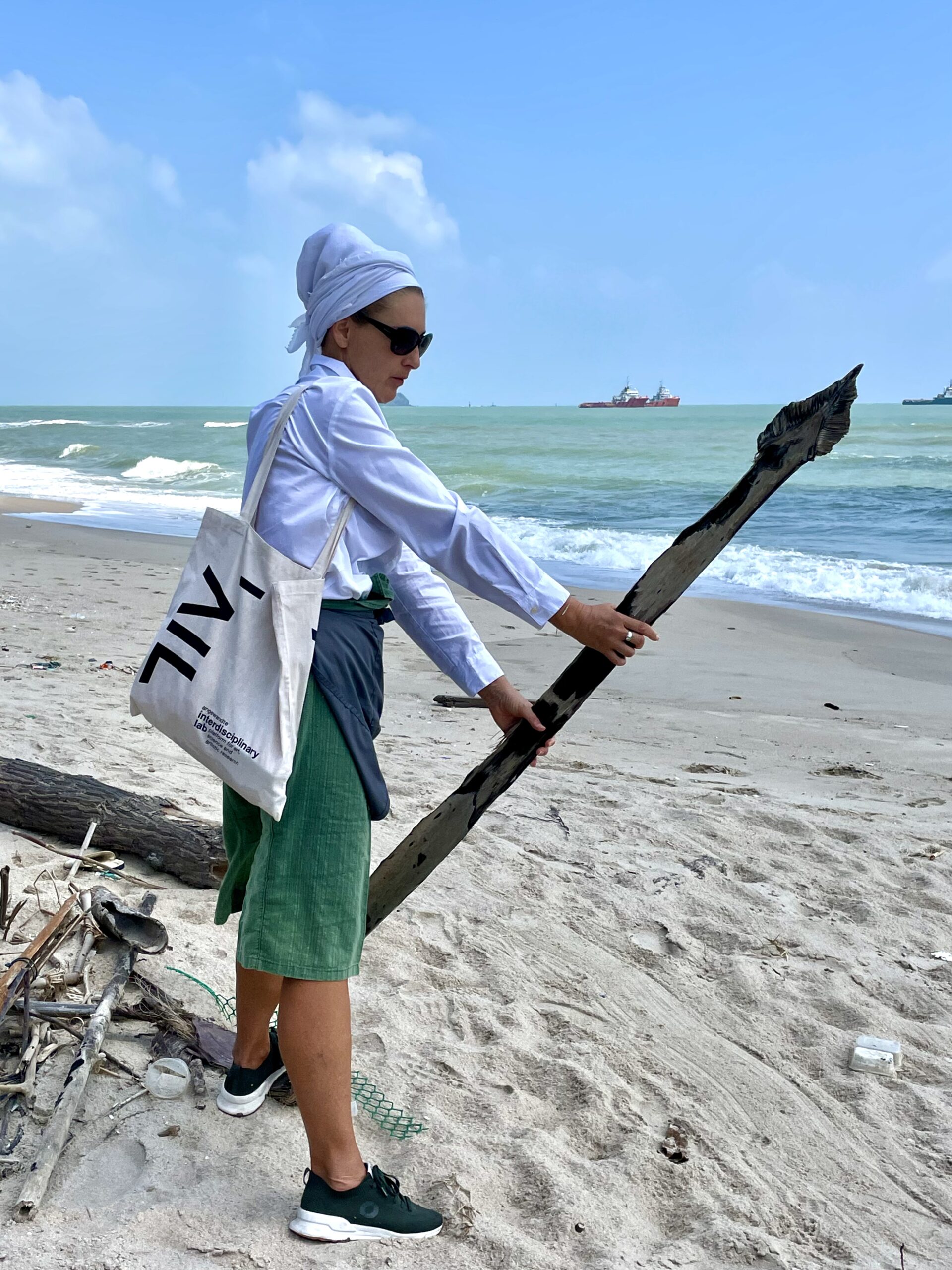
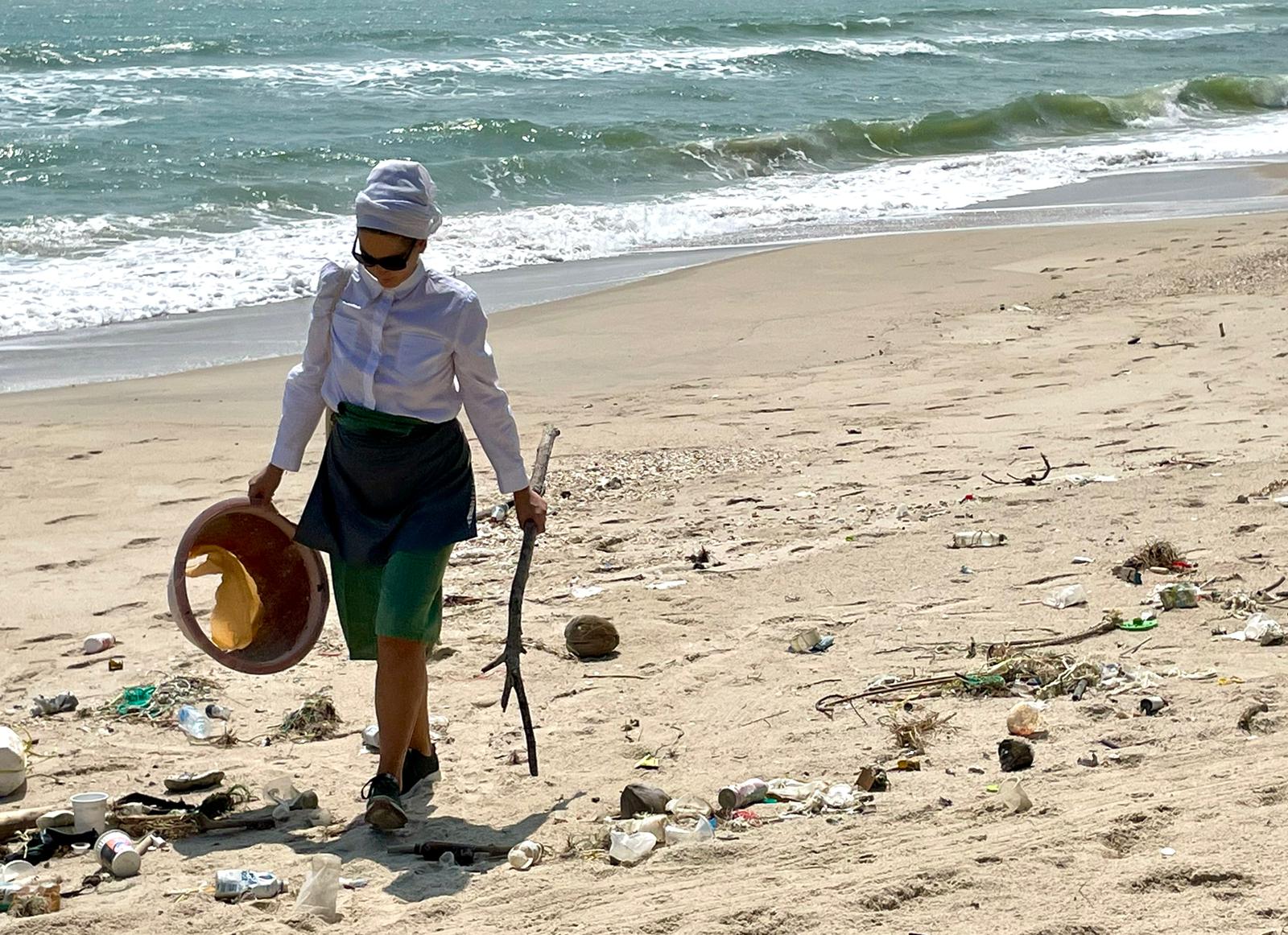
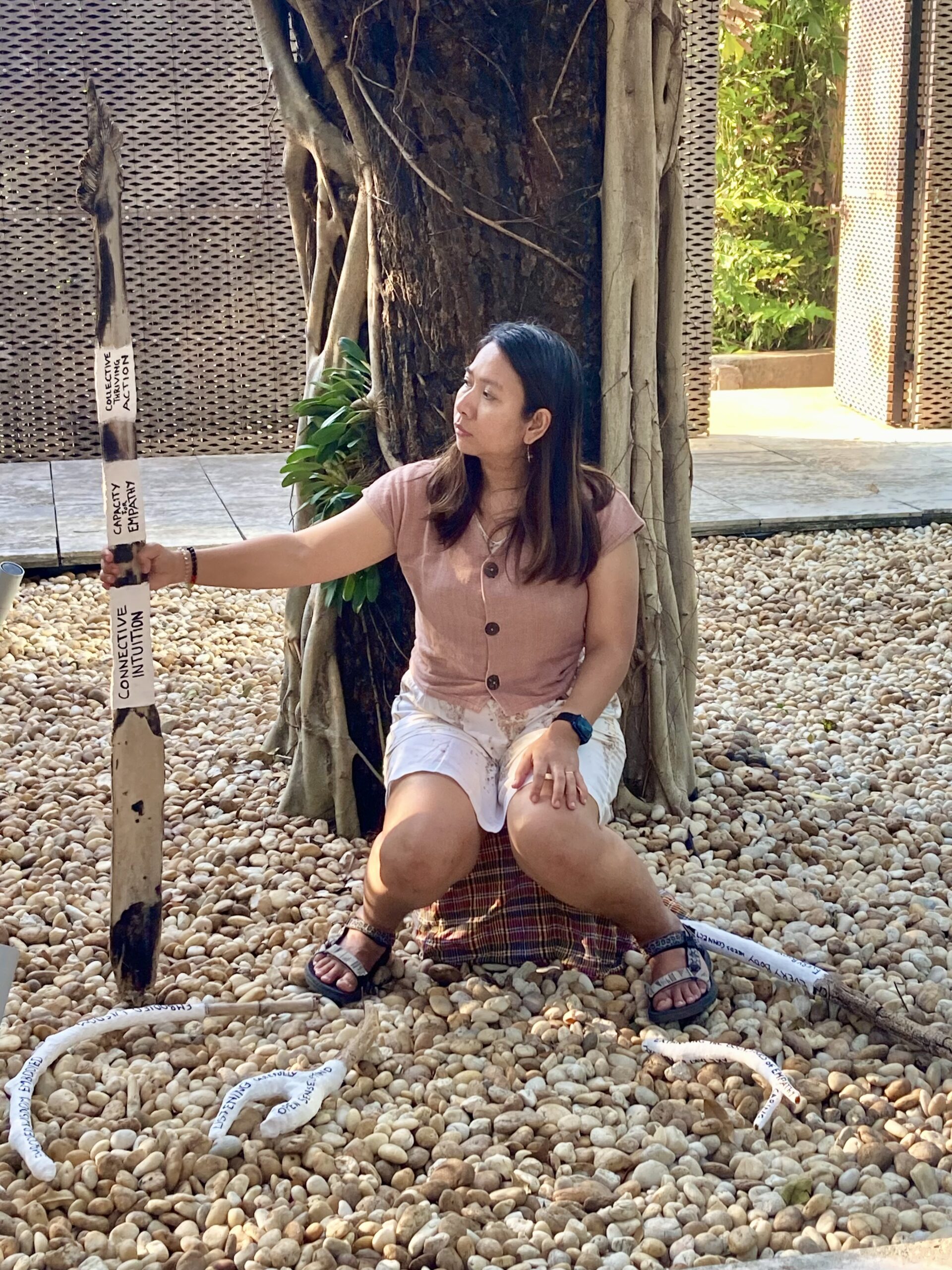
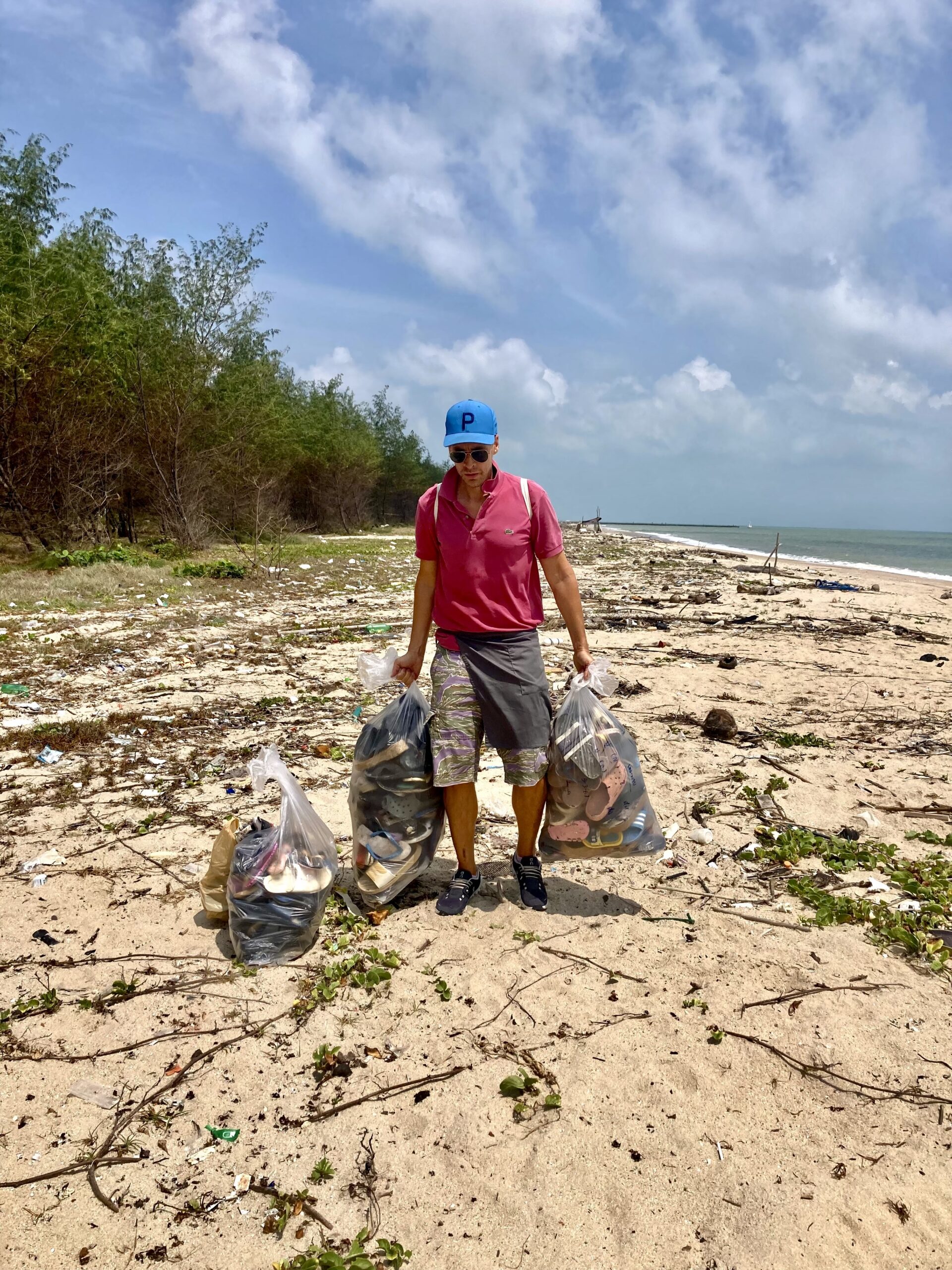
In February and March 2024, for example, a Learning Studio was conducted to bring together systems scientists Stefan Blachfellner and Claus Seibt (remotely) and artists Zun Ei Phyu, Tuntun Taratawan Krue-On and Ulrich Gottlieb (in person) at the Songkhla Art Center. Together with Jeanette and Paul, supported by Kharusak Sukchuay, they immersed themselves in different natural and cultural environments, collecting natural and man-made materials washed ashore, experimenting with movements, narrations, smells, sounds and sensory encounters to further understand systems awareness in local and global contexts and to be able to convey and interpret them artistically.
The specific Learning Studio served as a preliminary step for the multisensory exhibition Nature After Nature: TOUCHING REALITIES / SENSING THE INVISIBLE and performance held at the Songkhla Art Center, located next to the lake, end of March 2024 and at the Austrian Embassy in Bangkok in April 2024.
Learning Studios have been held in Bangkok (“Krung Thep” in Thai, which means “City of Angels”) in recent years usually twice a year, with the participation of various artists involved in the project. Meetings with Jiandyin / Baan Noorg, Zun Ei Phyu, Ulrich Gottlieb, Tuntun Taratawat Krue-On and others were initiated to facilitate mutual exchange and learning. The often challenging urban environments were utilised to develop practices that enable profound sensory experiences even under difficult, nature-alienated conditions. From joint “walk and sense” sessions in diverse urban and multifaceted cultural environments to field recordings in various social and ecological settings, meditative practices, and the exploration of and immersion in related and less familiar forms of artistic expressions. The experiences and exercises created and developed together have been and continue to be incorporated into the multisensory scenographies, as well as into workshops and art works.
LEARNING STUDIOS
As part of SENSING LIVING SYSTEMS, the learning studios bring together various artists and scientists with their diverse expertise, experiences and perspectives. In confidential and relaxed atmospheres, they exchange questions and ideas and develop sensory approaches, workshop concepts, and acoustic, olfactory and haptic artworks to create multisensory scenographies for systems awareness.
In the Learning Studios, sensory and body-oriented practices encourage participants to develop and test scenographic and performative elements that make an understanding of living systems physically and emotionally tangible. The Learning Studios take place in a variety of settings – from urban spaces to remote natural landscapes, often in close collaboration with local communities and external experts.
These are collaborative, respectful and practice-oriented spaces, based on the conviction that knowledge and new insights grow through diversity and dialogue, sensual experience and the exchange of perceptions and thoughts.