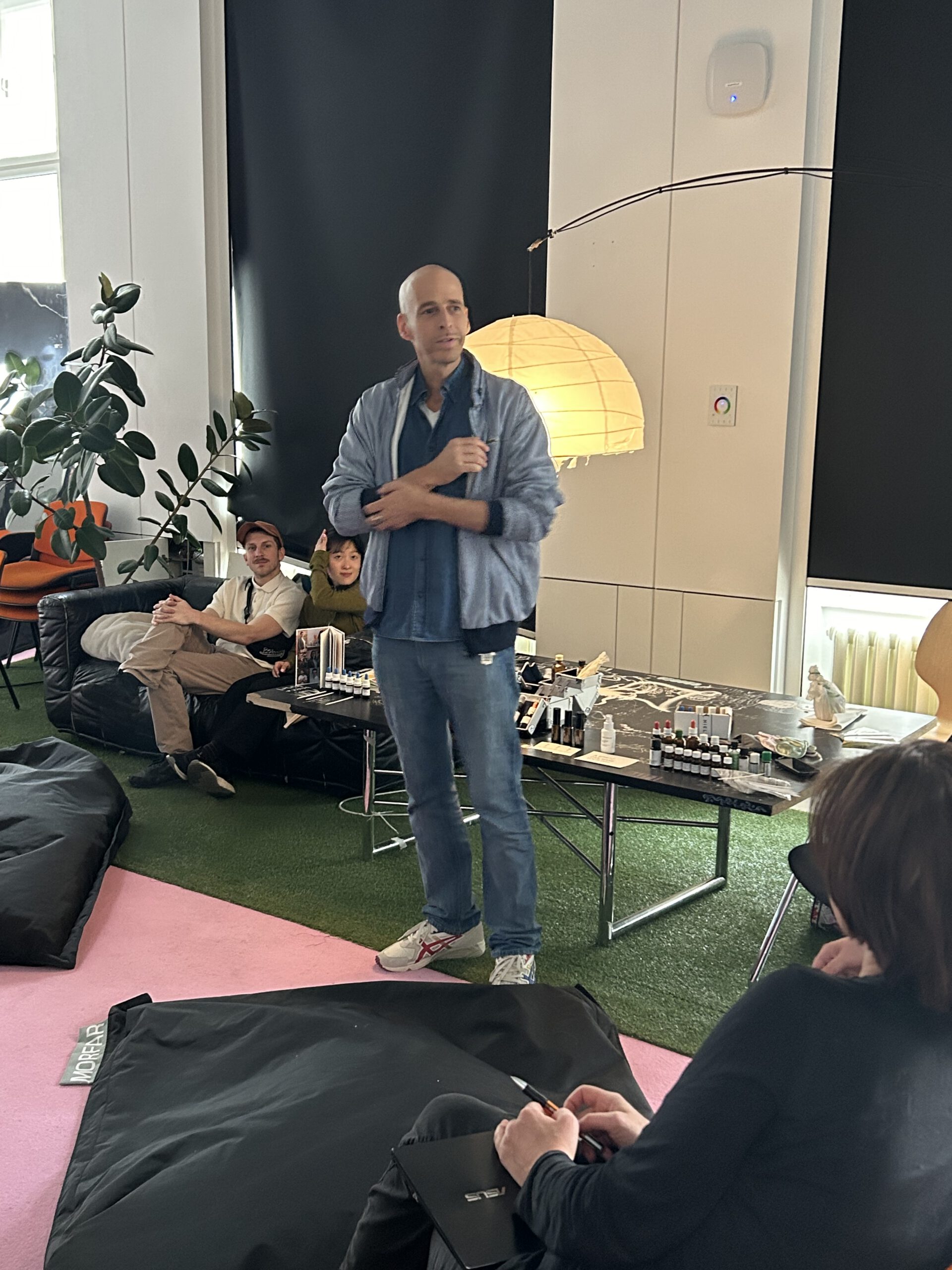
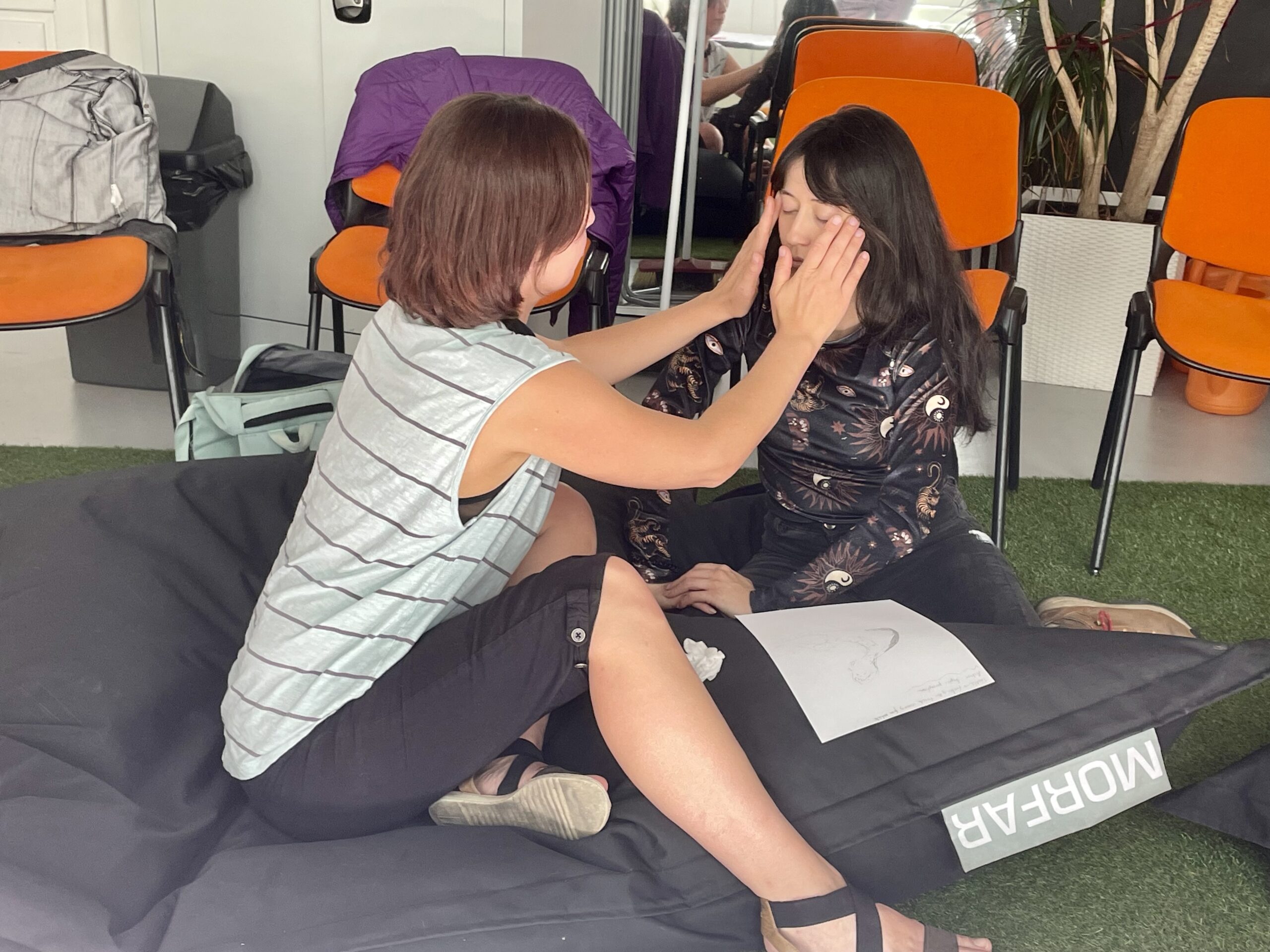
As guest lecturers in the course “Sinneswandel – A Hacker’s Guide to Perception” (led by Martina Fröschl and Michael Bachhofer), Jeanette Müller and Paul Divjak conducted two SENSING WORKSHOPS designed to explore systems awareness through sensory experience.
Part 1: Smell as System Sensor
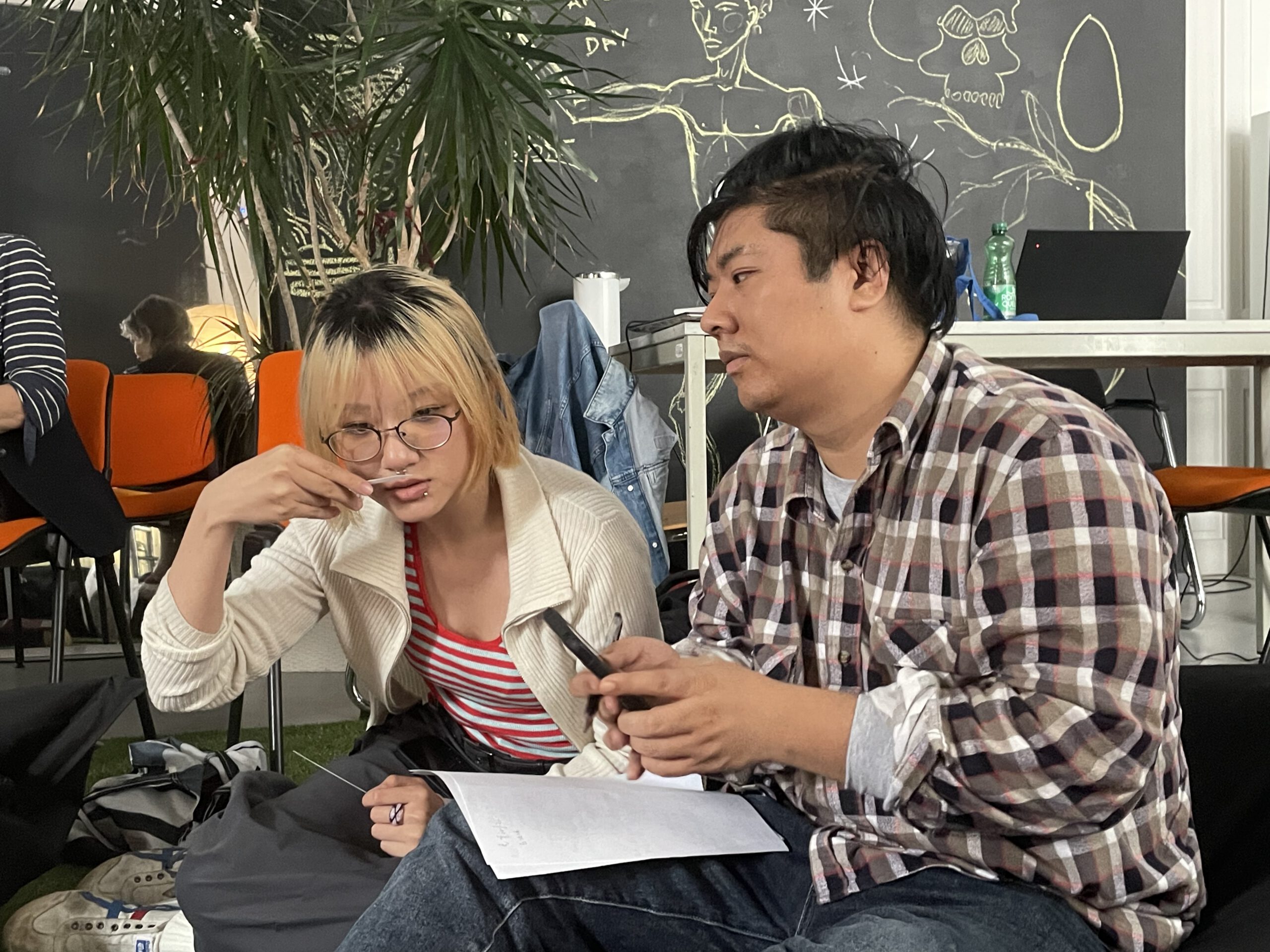
In part one, students explored curated scent boxes. Smelling without seeing, they described and discussed each scent in relation to personal associations and environmental memory. The workshop focused on expanding olfactory vocabulary and recognizing smell as a trigger for emotional and systemic awareness.
Part 2: Touch & the Living Body
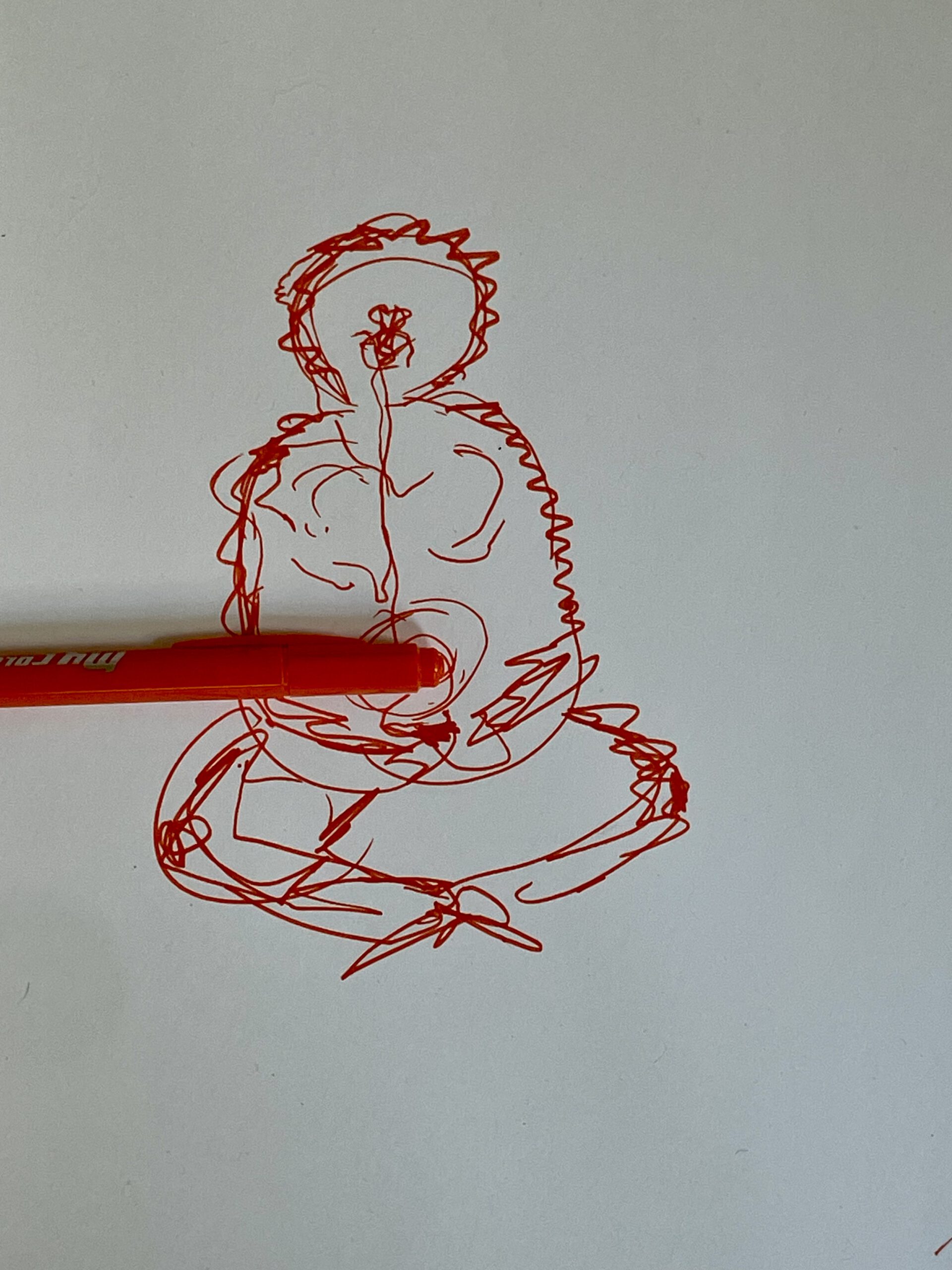
In part two, the focus was set on tactile perception. Participants engaged in guided body scans, inspired by Vipassana meditation, to tune into interoception – the perception of internal sensations like breath, heartbeat, and tension. This practice enhanced awareness of the body as a living system embedded in larger systems.
Students then explored unknown objects with closed eyes, practiced mindful face-touching (self and others), and reflected on boundaries of perception – physical and relational. The exercises were grounded in distinctions between passive tactile sensing and active haptic exploration.
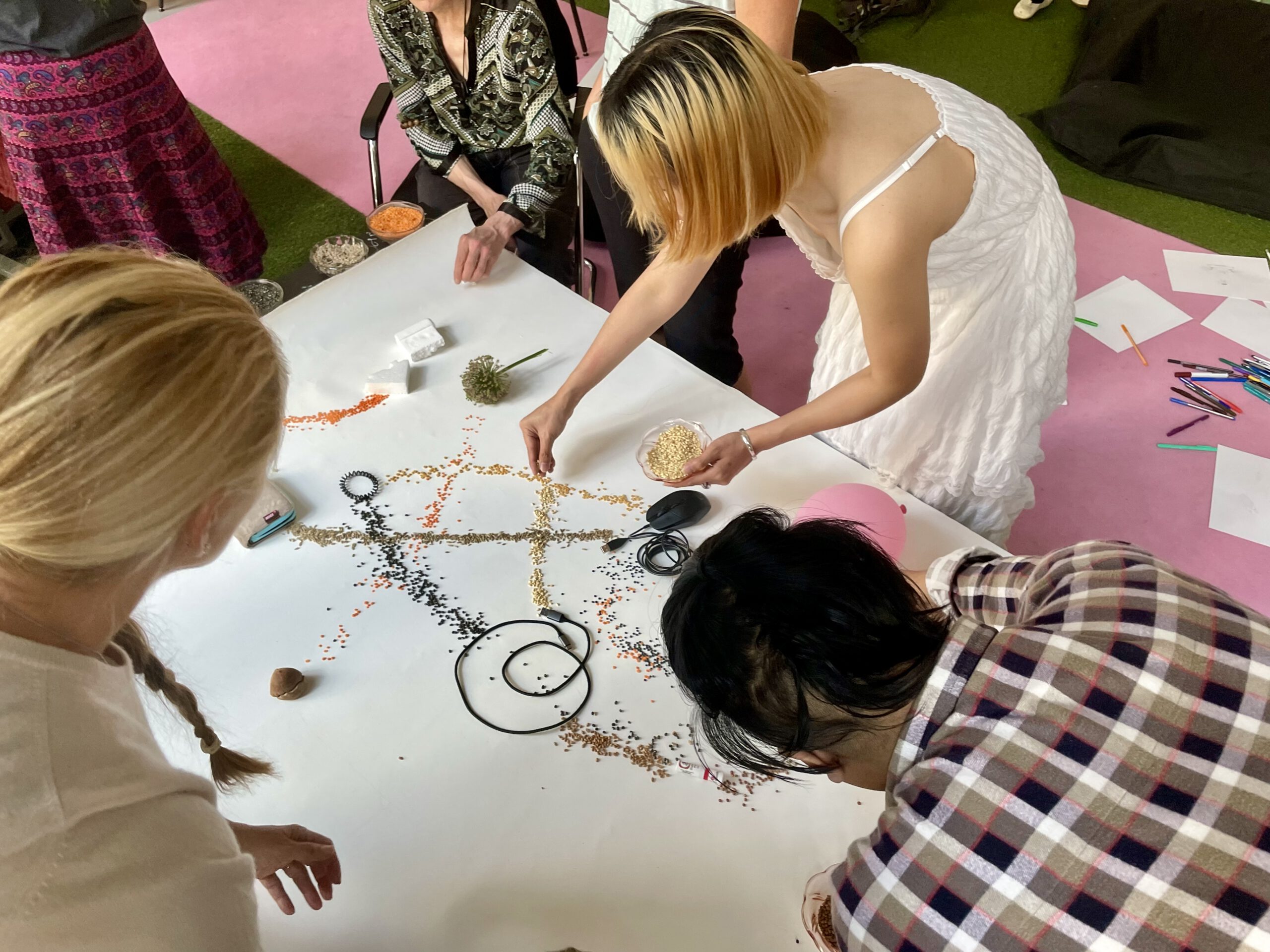
In the framework of the ADD-CONNECT-GROW game students brought personal objects, shared systems-related stories, and created seed-based connections between them on a common canvas. The evolving structure visualized emotional and systemic links. Seeds were collected and offered to participants – as metaphors for growth and expanded “sens-ability.”
SENSING WORKSHOPS
These sensory workshops, developed by MUELLER-DIVJAK, invite participants of all ages to experience relational thinking and systemic awareness through smell, touch and sound.
At interactive stations, participants explore, for example, natural and artificial materials as well as art works with their eyes closed; follow scents and sounds specially created by the artist duo MUELLER-DIVJAK (Jeanette Mueller and Paul Divjak) to stimulate the imagination or unlock emotional pathways; or use seeds to visualize connections within everyday systems. Each workshop opens up space for reflection: How can we perceive our interconnectedness and, through this, our mutual interdependence and embeddedness? How do we influence (living) systems? And how can we cope with all the influences that we are exposed to?
These inclusive and playful workshops have already been implemented with various age groups and cultures – from school classes and universities in Austria and Southeast Asia to adult learners in European research contexts and ASEAN art scenes. Rather than imparting facts, they invite physical exploration and offer a sensory approach to complexity, towards an embodied awareness of living systems.